
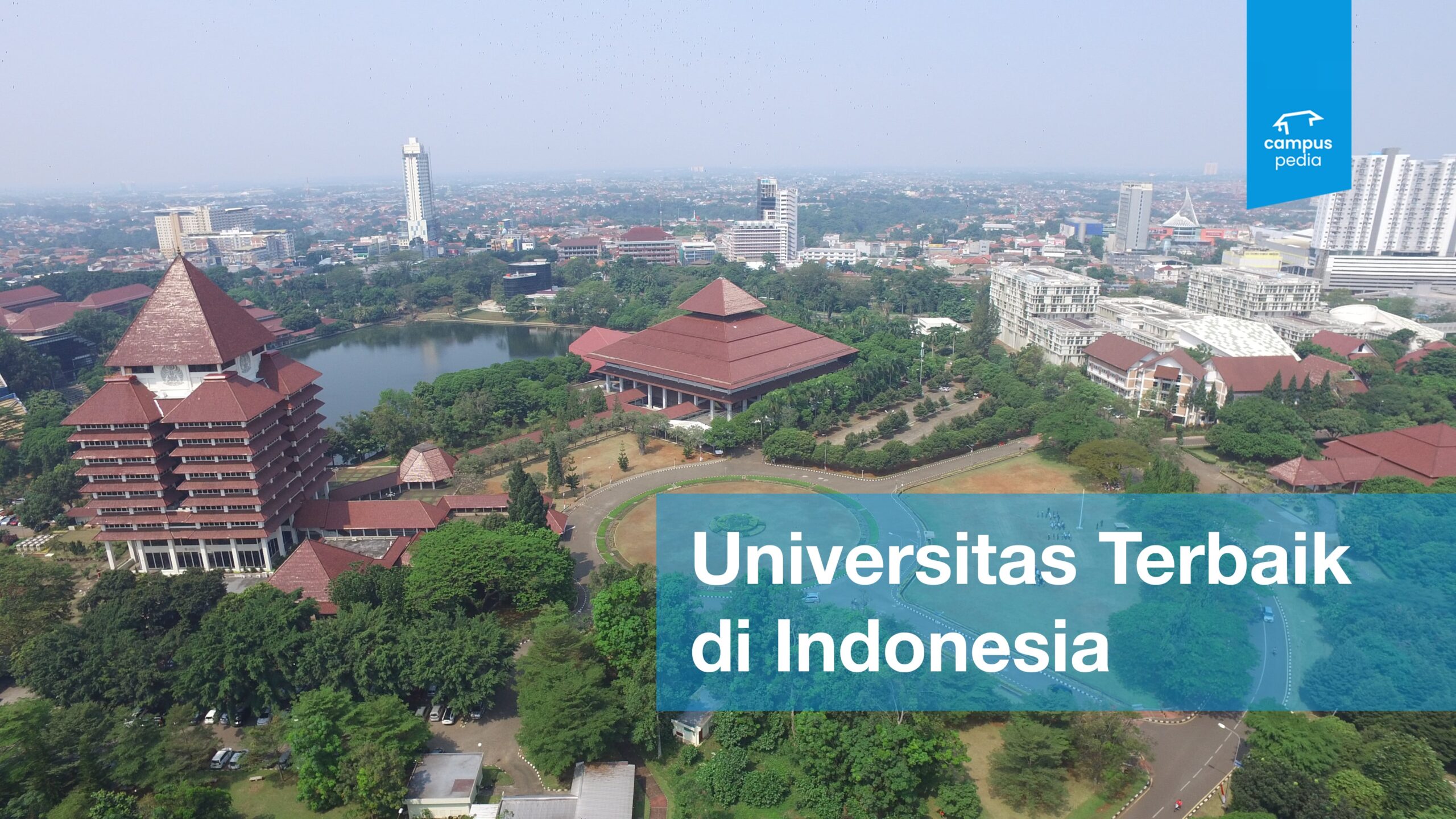
Top Factors Influencing Universitas Aceh Rankings
Universitas Aceh, a prominent institution in Indonesia, stands as a beacon of higher education in the region. Its ranking can be significantly influenced by several crucial factors. Understanding these elements can shed light on the institutional strengths and areas for improvement.
1. Academic Reputation
Academic reputation is a core component when it comes to university rankings. This factor is typically assessed through surveys conducted among academics, industry professionals, and alumni. Strong relationships with scholars and a recognized faculty enhance the university’s prestige. Regular publications in high-impact journals contribute to a positive academic reputation and fulfill the expectations of educators and researchers alike.
2. Research Output
The volume and quality of research output play a pivotal role in ranking. Universitas Aceh’s ability to produce impactful research can attract funding, enhance collaboration opportunities, and elevate its international standing. Metrics such as publications in peer-reviewed journals, citations per paper, and participation in research projects significantly contribute to the research profile of the university.
3. Faculty Quality and Qualifications
The qualifications and experience of faculty members directly influence the quality of education offered. Universities with a high percentage of professors holding PhDs and those with significant professional experience tend to rank higher. Faculty engagement in research, their involvement in conferences, and the awards they receive also help to boost the university’s standing in national and global rankings.
4. International Collaboration
Collaborative efforts with reputable institutions worldwide can enhance Universitas Aceh’s visibility and prestige. Memorandums of understanding, joint research initiatives, and exchange programs reflect the university’s commitment to fostering a global academic environment. These partnerships not only promote cultural exchange but also help in sharing resources and expertise, which is essential for institutional growth.
5. Student-to-Faculty Ratio
A favorable student-to-faculty ratio indicates that students receive more personalized attention, which enriches their learning experience. Universities with lower ratios are deemed more effective in nurturing talent and facilitating academic success. Higher student satisfaction often correlates with better rankings, as engaging instruction is integral to student retention and graduation rates.
6. Extracurricular Activities and Student Engagement
Universitas Aceh’s commitment to student development beyond academics influences its ranking. Participation in clubs, organizations, and community service enhances both the academic and social skills of students. Such involvement leads to well-rounded graduates who perform better in the job market. Rankings often take into account student engagement metrics, which reflects on the university’s dedication to holistic education.
7. Financial Resources
Available financial resources for educational facilities, research funding, and student scholarships significantly impact a university’s ranking. Adequate funding allows for the maintenance of state-of-the-art facilities, more research initiatives, and the ability to attract high-caliber faculty. The institution’s ability to secure grants and other forms of funding reflects its credibility and viability, influencing rankings.
8. Graduate Employability
The employability of graduates is a vital ranking criterion. Employers’ perceptions of graduates from Universitas Aceh, largely influenced by the relevance and quality of the curriculum, can enhance the university’s reputation. Tracks such as internships and career services contribute to a robust network between the institution and industry, providing students with essential experience and facilitating their transition into the workforce.
9. Alumni Success
The achievements of alumni can have a lasting impact on the institution’s reputation and, consequently, its rankings. Successful alumni who make significant contributions to society can enhance the university’s visibility and prestige. Engaging alumni through networks and events can help in building a strong institutional reputation, attracting prospective students and funding opportunities.
10. Infrastructure and Learning Environment
Investments in campus infrastructure, libraries, laboratories, and technology significantly influence the learning environment, thus affecting rankings. Universitas Aceh’s commitment to modernizing its facilities and providing students with access to updated resources demonstrates its dedication to fostering an effective academic atmosphere. These enhancements can lead to improved student satisfaction and academic outcomes.
11. Course Offerings and Flexibility
A diverse array of academic programs, catering to various disciplines and interests, makes Universitas Aceh appealing to prospective students. Flexible learning options, such as online courses, part-time studies, and interdisciplinary programs, allow the institution to attract a broader student demographic. The richness of the curriculum enriches the academic landscape and positively influences rankings.
12. Community and Regional Engagement
Universitas Aceh’s engagement with the local community and its contributions to regional development create a favorable impression. Programs that address local needs, such as business assistance or education initiatives, illustrate the university’s commitment to social responsibility. Such initiatives can enhance the university’s profile and influence its overall standing in the educational ranking landscape.
Overall, these factors collectively shape the reputation and performance of Universitas Aceh, influencing its ranking in various educational assessments and surveys. By continuously evaluating and enhancing these areas, the institution can aim for higher placement and recognition within the educational community, both locally and internationally.